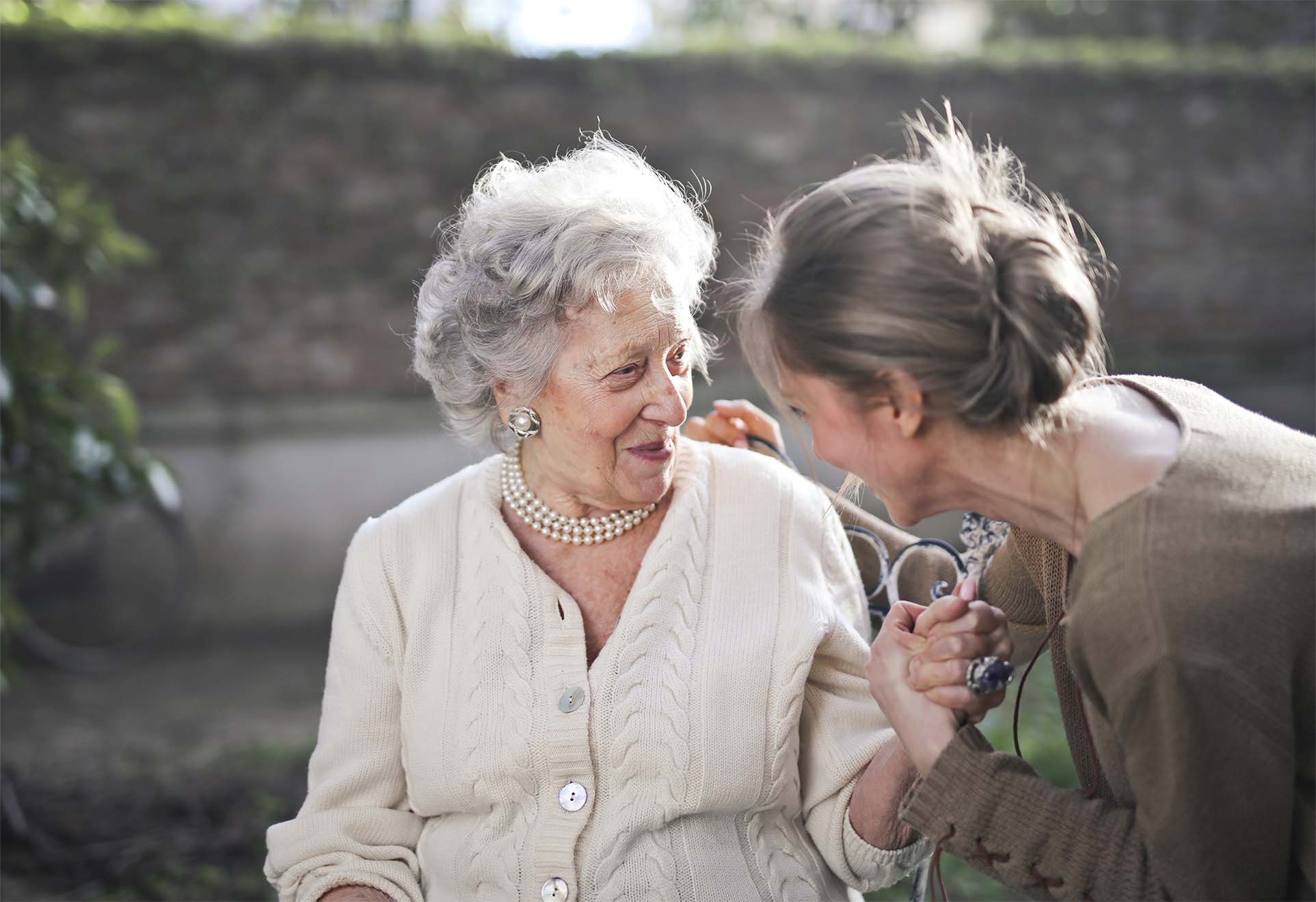
What Is Dementia Care in a Care Home?

When a loved one is diagnosed with dementia, families are often faced with many questions and decisions. Understanding what dementia care involves and how care homes can provide the right level of support is an important step in planning for the future. Dementia is a progressive condition and as needs change over time, specialist care can play a vital role in maintaining comfort, dignity and quality of life.
Dementia care is delivered with compassion, experience and a deep understanding of the challenges faced by both residents and their families. This guide explores what dementia is, how dementia care homes provide support and how complex care needs are managed within a residential setting.
What Is Dementia?
Before exploring care options, it is helpful to understand what dementia is. Dementia is not a single disease but an umbrella term used to describe a range of conditions that affect memory, thinking, communication and behaviour. Common forms include Alzheimer’s disease, vascular dementia and mixed dementia.
Dementia affects everyone differently. Some people may experience memory loss and confusion, while others may struggle with communication, mobility or changes in mood and behaviour. As the condition progresses, everyday tasks can become increasingly difficult, leading to a growing need for support.
Understanding Dementia Care Homes
Dementia care homes are designed to provide specialist support for people living with dementia. They offer a safe, structured environment where residents receive personalised care tailored to their individual needs and abilities.
Unlike general residential care, dementia care focuses on consistency, familiarity and emotional reassurance. Care staff are trained to understand how dementia affects behaviour and communication, allowing them to respond with patience, empathy and confidence.
At The Check House, dementia care is centred on the individual. Staff take time to understand each resident’s life history, preferences and routines, ensuring care feels personal rather than clinical.
Caring for Those With Dementia at Home
Many families provide care at home for as long as possible. While this can be rewarding, caring for those living with dementia often becomes more challenging as needs increase. Managing personal care, medication, safety concerns and emotional wellbeing can be demanding, particularly as dementia progresses.
Families may notice increasing confusion, wandering, disrupted sleep or difficulty with eating and drinking. These changes can place significant strain on carers, both physically and emotionally. Recognising these challenges is an important part of deciding when additional support may be needed.
When Should Someone With Dementia Go Into a Care Home?
One of the most difficult questions families ask is when someone with dementia should go into a care home? There is no single answer, but there are common signs that indicate a care home may be the right next step.
Care home support may be appropriate when safety becomes a concern, such as frequent falls, wandering or forgetting to take medication. It may also be necessary when personal care needs increase or when behavioural changes become difficult to manage without specialist support.
Emotional wellbeing is equally important. If a person with dementia appears increasingly anxious, isolated or distressed, a care home environment can offer reassurance, routine, and social connection. For many families, the decision is also influenced by carer wellbeing. When caring responsibilities begin to affect a carer’s health or quality of life, seeking additional support is a responsible and compassionate choice.
How Dementia Care Supports Daily Life
Dementia care in a care home is about supporting residents through everyday life with dignity and understanding. Daily routines are designed to provide structure while remaining flexible enough to respect individual preferences.
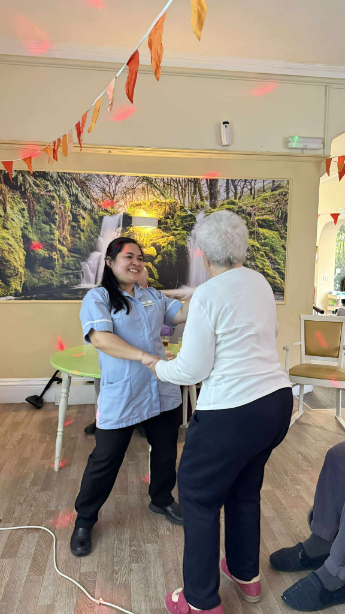
At The Check House, residents are supported with personal care, meals, mobility, and medication in a calm and respectful way. Care staff encourage independence wherever possible, offering assistance only when needed and allowing residents to remain involved in their own care.
Communication is a key part of daily dementia support. Staff are trained to use clear, reassuring language and to recognise non-verbal cues, helping residents feel understood even as communication becomes more challenging.
Supporting Emotional Wellbeing and Dignity
Living with dementia can affect a person’s sense of identity and confidence. Quality dementia care recognises the importance of emotional wellbeing and works to preserve dignity at every stage.
Care staff build strong, trusting relationships with residents, providing reassurance during moments of confusion or distress. Familiar routines, consistent staff teams and a calm environment help residents feel safe and secure.
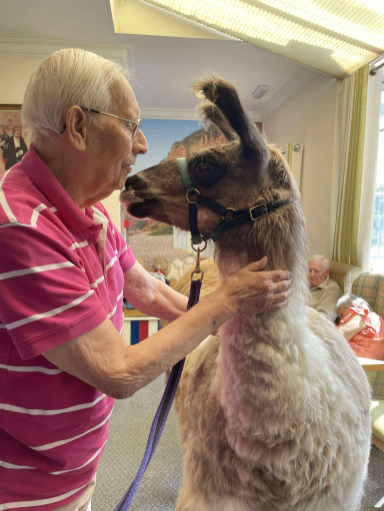
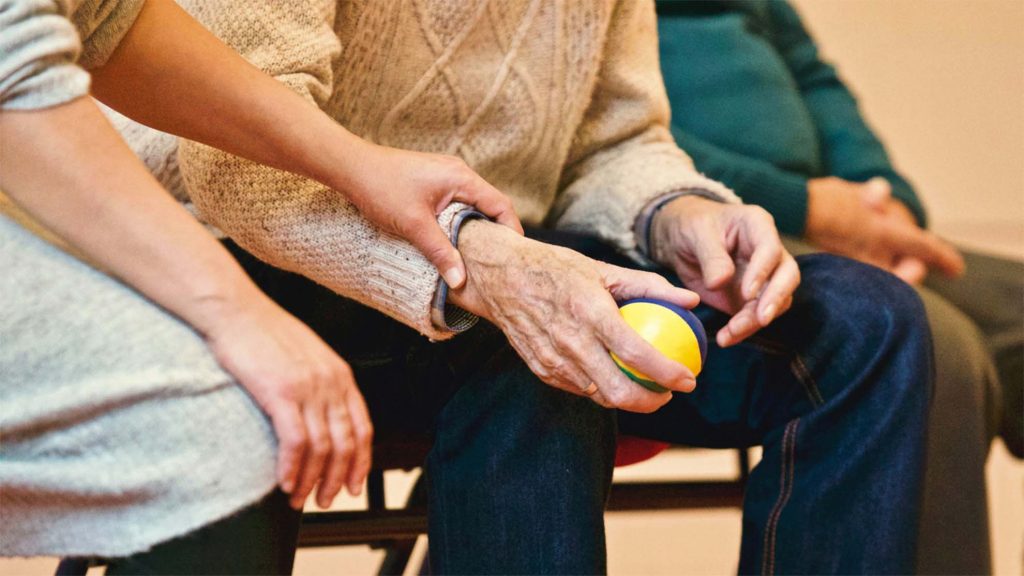
Meaningful interaction, whether through conversation, shared activities or quiet companionship, helps residents maintain a sense of connection and purpose.


How Care Homes Support Complex Care Needs
Dementia often exists alongside other health conditions such as frailty, mobility issues, chronic illness or sensory impairment. These overlapping challenges are known as complex care needs and require a coordinated, skilled approach.
Care homes like The Check House are equipped to support complex care through experienced care teams, tailored care plans and close collaboration with healthcare professionals. This ensures residents receive consistent support that adapts as needs change.
Complex care is not only about physical health. It also involves emotional reassurance, pain management, nutritional support and monitoring changes in behaviour or wellbeing. By addressing the whole person, care homes help residents live as comfortably as possible.
The Role of Care Planning in Dementia and Complex Care
Effective dementia and complex care relies on detailed, personalised care planning. Care plans are developed in partnership with residents, families and healthcare professionals, ensuring support reflects individual needs and preferences.
At The Check House, care plans are regularly reviewed and updated as conditions change. This proactive approach allows staff to respond quickly to new challenges and ensures continuity of care.
Families are encouraged to share insights into their loved one’s history, routines and preferences, helping care teams deliver truly person-centred support.
Creating a Safe and Supportive Environment
The physical environment plays an important role in dementia care. Clear layouts, calm décor and familiar spaces help reduce confusion and anxiety, allowing residents to move around with greater confidence.
Safety measures are in place to protect residents without making the environment feel restrictive. This balance allows residents to maintain independence while benefiting from reassurance and supervision.
At The Check House, the aim is to create a homely atmosphere where residents feel comfortable, respected and at ease.


Supporting Families Through the Dementia Journey
Dementia affects not only the individual but also their loved ones. Families may experience a wide range of emotions, including worry, guilt and uncertainty, particularly when considering care home support.
Care homes play an important role in supporting families through open communication and partnership. Regular updates, involvement in care planning and opportunities to ask questions help families feel reassured and informed.
This collaborative approach ensures families remain connected and confident in the care their loved one receives.
Life in a Dementia Care Home
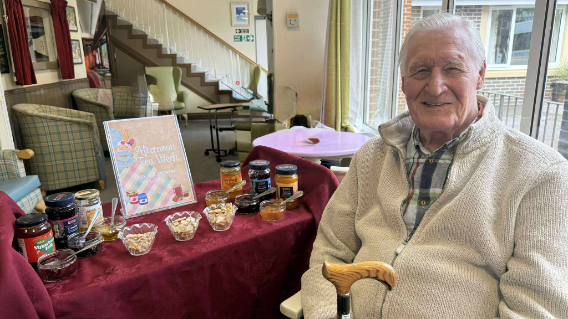
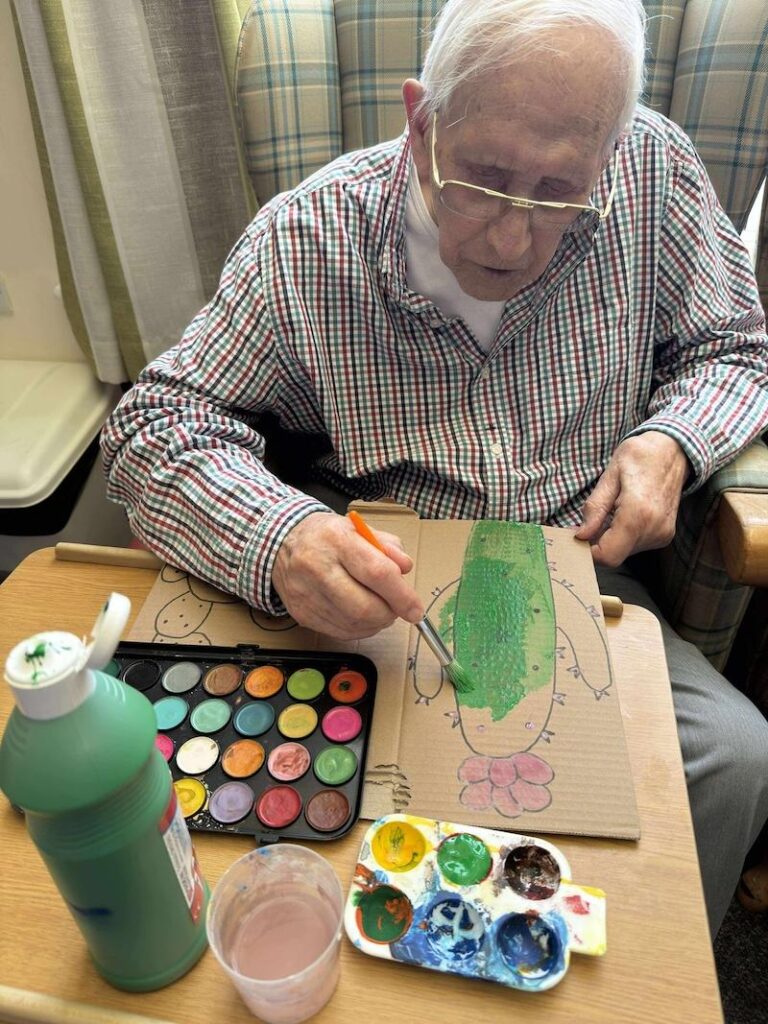
Life in a dementia care home is designed to be structured yet flexible, providing reassurance while allowing for personal choice. Residents are supported to engage in daily life at their own pace, with activities and routines adapted to suit individual abilities.
For residents with complex care needs, additional support ensures comfort, safety and dignity at all times. The focus is not just on meeting care needs, but on creating an environment where residents feel valued and supported.
Dementia and Complex Care at The Check House in Seaton
At The Check House, dementia and complex care are delivered with compassion, expertise and respect. Located in Seaton, Devon, the home provides a calm, supportive environment where residents living with dementia can feel safe and understood.
By combining specialist dementia care with tailored complex care support, The Check House ensures residents receive the right level of care at every stage, while offering families reassurance and peace of mind.
Making Informed Decisions With Confidence
Understanding dementia care homes and how they support complex needs can help families make informed decisions during a challenging time. Choosing the right care environment can improve quality of life for both residents and their loved ones.
At The Check House, dementia care is about preserving dignity, supporting wellbeing and providing compassionate care every day.