When considering care for yourself or a loved one, you will often hear the term "person-centred care". Whilst it has become a widely used phrase within the care sector, its meaning goes far beyond simply providing support with daily tasks or medical needs.
At its heart, person-centred care is about recognising that every individual is unique. Each person has their own life story, preferences, routines, interests, values and aspirations. Rather than expecting residents to fit into a set routine, person-centred care ensures that care is tailored around the individual, enabling them to continue living a fulfilling and meaningful life.
At The Check House Care Home, person-centred care forms the foundation of everything we do. We believe that exceptional care starts with truly understanding the people who call our home their own.
Putting the Individual First
No two people are the same, which means no two care journeys should be identical.
Person-centred care focuses on getting to know residents as individuals. This includes understanding their personal history, hobbies, preferences, daily routines, cultural background and the things that bring them comfort and happiness.
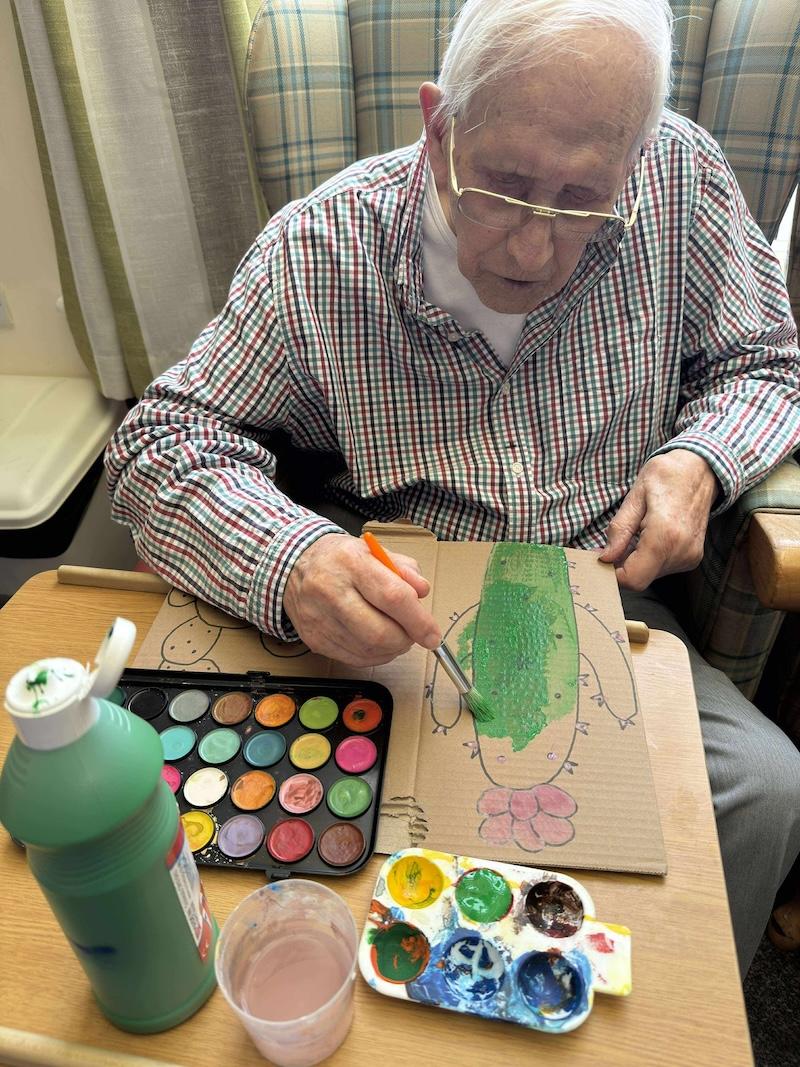
For some residents, maintaining a familiar morning routine is important. For others, it may be continuing a lifelong hobby, spending time outdoors, enjoying favourite foods or staying connected with family and friends. By taking the time to understand these preferences, care teams can provide support that feels natural, respectful and empowering.
When care is built around the individual rather than the service, residents are able to maintain a stronger sense of identity, independence and control over their lives.
Supporting Independence and Choice
Moving into a care home should never mean giving up independence.
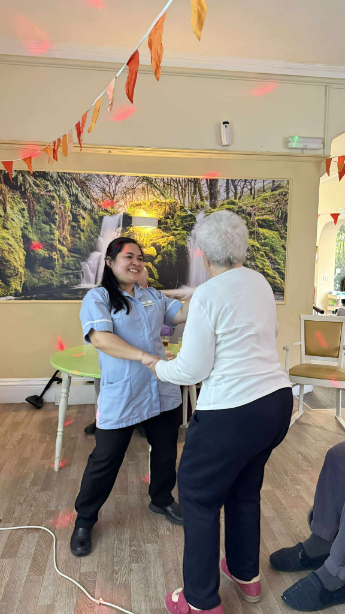
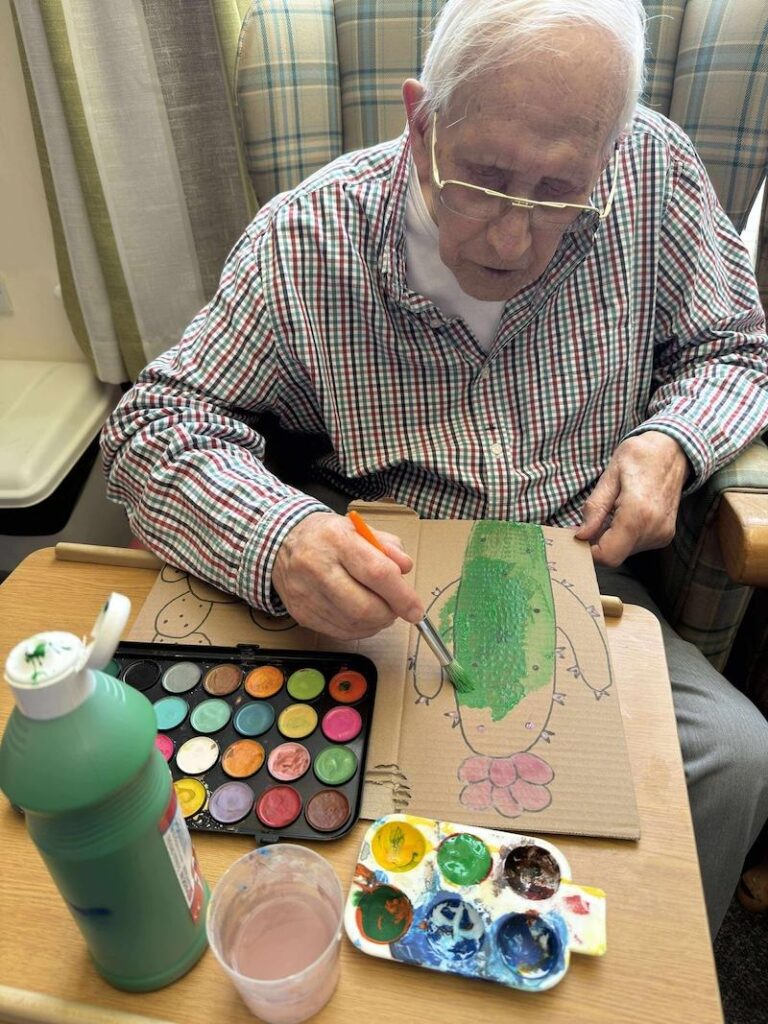
One of the key principles of person-centred care is supporting residents to make their own choices wherever possible. Whether it's choosing how to spend the day, what activities to participate in, when to enjoy meals or how their room is arranged, maintaining choice helps individuals retain confidence and autonomy.
At The Check House, residents are encouraged to remain involved in decisions about their care and daily lives. Our role is not to take over, but to provide the right level of support that enables residents to continue doing the things that matter most to them.
This approach promotes dignity and helps residents feel valued, respected and empowered.
Building Genuine Relationships
High-quality care is about much more than meeting physical needs.
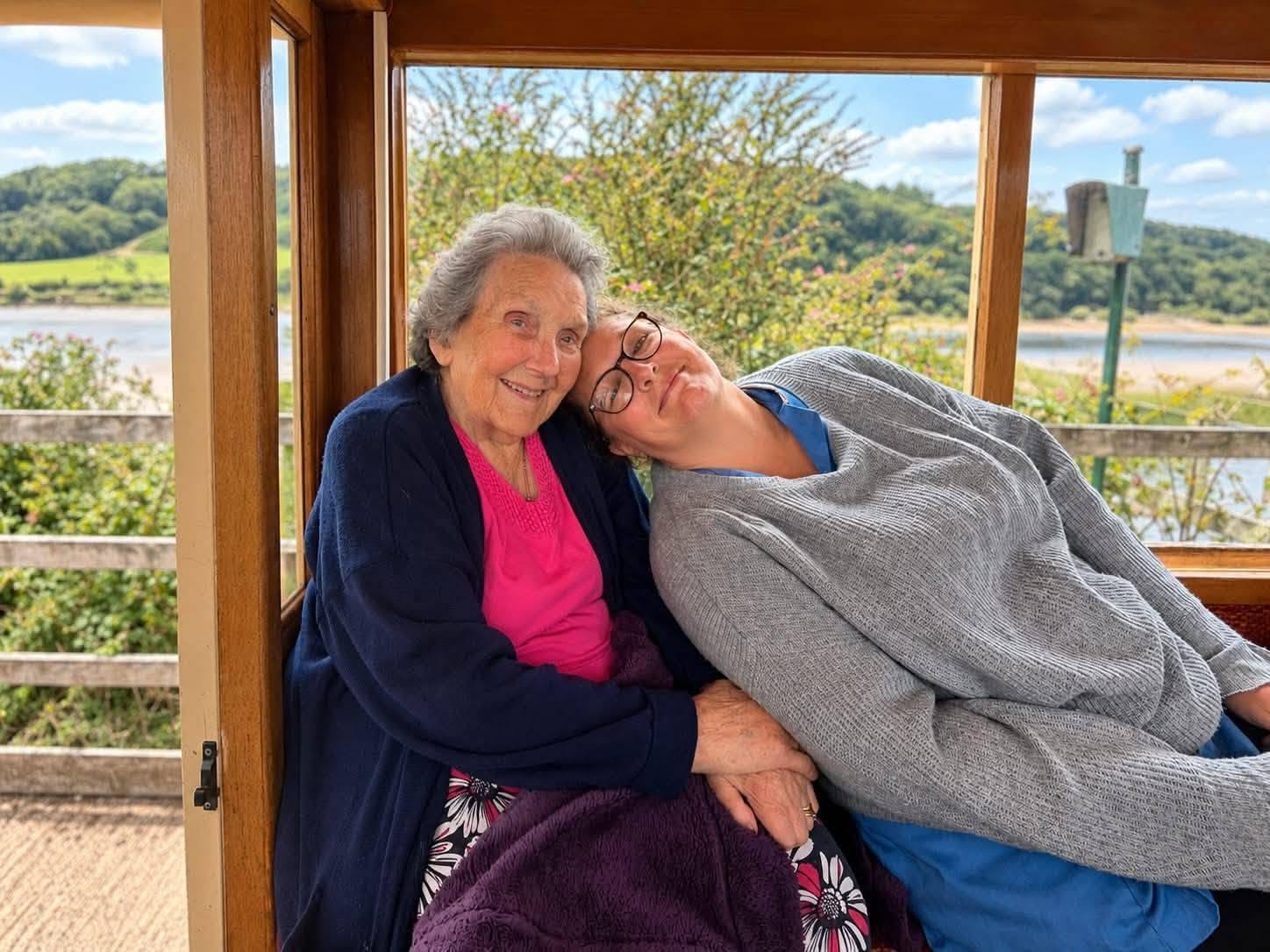
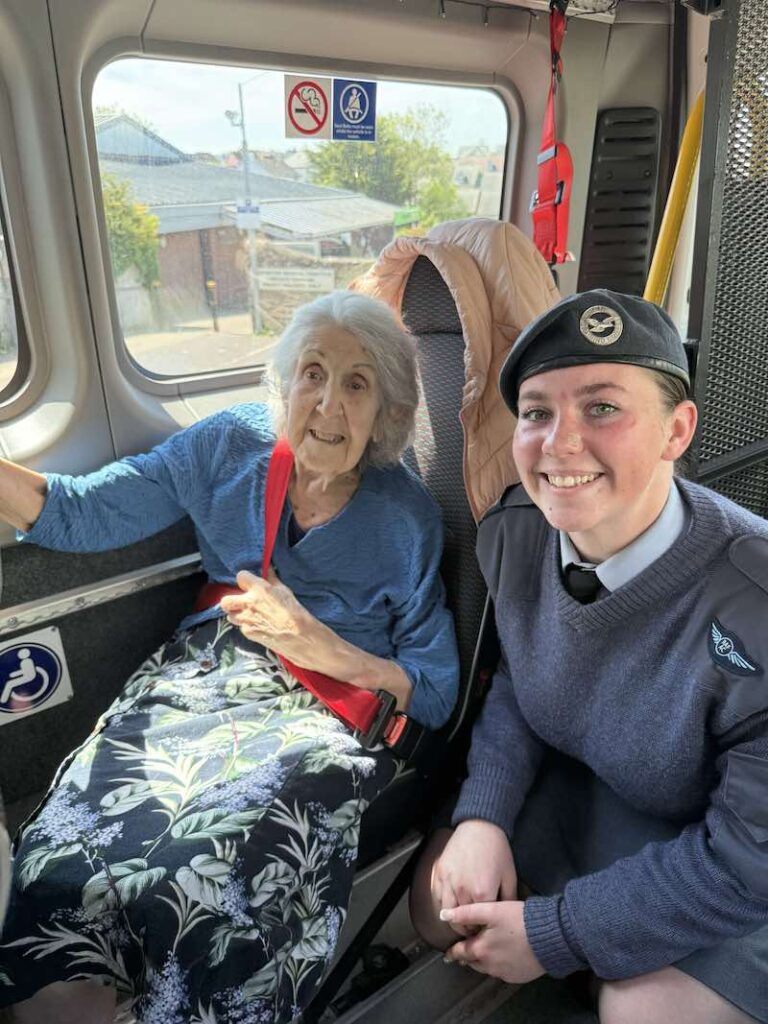
Strong relationships between residents, families and care teams play a vital role in emotional wellbeing. When residents feel genuinely known and understood, it creates a sense of trust, comfort and belonging.
Person-centred care encourages carers to take the time to build meaningful connections with residents. These relationships help teams identify changing needs, understand individual preferences and provide support in a way that feels familiar and reassuring.
Families are also an important part of this process. Their knowledge, insights and involvement help create a fuller picture of the person receiving care, ensuring support remains tailored and responsive.
Enhancing Wellbeing and Quality of Life
Research consistently shows that personalised care can have a positive impact on overall wellbeing.
When residents feel listened to, respected and involved in decisions, they are more likely to experience greater satisfaction, confidence and emotional wellbeing. Person-centred care can also help reduce feelings of loneliness, anxiety and frustration by ensuring that each individual's needs are recognised and understood.
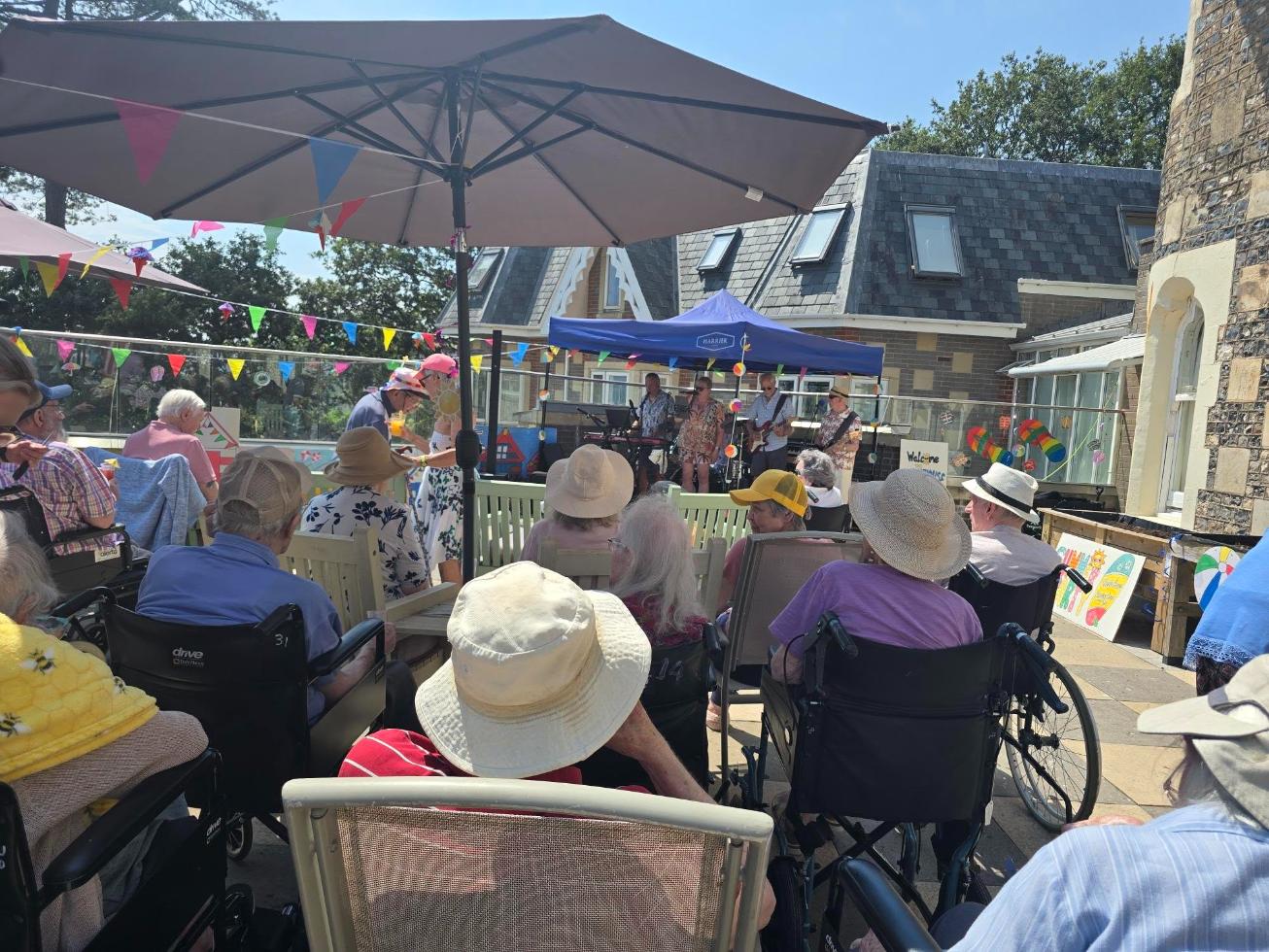
A fulfilling life doesn't stop when someone moves into a care home. Through personalised activities, social opportunities and meaningful experiences, residents can continue pursuing interests, forming friendships and enjoying everyday moments that bring purpose and joy.
At The Check House, we believe that every day should offer opportunities for residents to do the things they enjoy, explore new interests and remain connected to the people and communities around them.
Person-Centred Dementia Care
Person-centred care is particularly important for individuals living with dementia.
As memory and communication abilities change, understanding a person's history, routines, preferences and personality becomes even more valuable. Familiar activities, meaningful conversations and personalised approaches can provide reassurance, reduce distress and support emotional wellbeing.
By focusing on the person rather than the diagnosis, care teams can create positive experiences that help residents feel safe, respected and understood.
A Personal Approach at The Check House
At The Check House Care Home, we understand that choosing care is one of life's most important decisions.
Our dedicated team takes the time to get to know every resident and their loved ones, creating personalised care plans that reflect individual needs, preferences and aspirations. We work closely with residents and families to ensure care evolves alongside changing requirements, whilst always maintaining dignity, independence and choice.
Whether someone joins us for residential, nursing, dementia or respite care, our focus remains the same: delivering compassionate, person-centred support in a warm and welcoming environment where every individual feels valued, respected and truly at home.
Person-centred care is not simply a method of delivering support. It is a philosophy that recognises the importance of treating every resident as an individual, celebrating their uniqueness and helping them continue living life in a way that is meaningful to them.
Because great care begins with knowing the person behind the care needs.
Frequently Asked Questions
What does person-centred care mean?
Person-centred care is an approach that places the individual at the centre of all decisions regarding their care and support. It focuses on understanding a person's unique needs, preferences, values and life experiences to ensure care is tailored specifically to them.
Why is person-centred care important in a care home?
Person-centred care helps residents maintain their independence, dignity and sense of identity. By recognising each resident as an individual, care teams can provide more meaningful support that enhances wellbeing and quality of life.
How does person-centred care support independence?
Rather than doing everything for residents, person-centred care encourages individuals to remain involved in daily decisions and activities wherever possible. This helps maintain confidence, promotes self-esteem and allows residents to retain greater control over their lives.
How is person-centred care used for people living with dementia?
For individuals living with dementia, person-centred care focuses on understanding their history, routines, interests and preferences. This allows care teams to provide familiar and reassuring support that reduces anxiety and helps residents feel safe, comfortable and valued.
How are families involved in person-centred care?
Families play an important role in helping care teams understand a resident's life story, preferences and needs. Regular communication and collaboration ensure care remains personalised and responsive as circumstances change.
How does The Check House deliver person-centred care?
At The Check House, we take the time to build genuine relationships with residents and their loved ones. Through personalised care planning, meaningful activities and ongoing communication, we create an environment where every resident feels respected, supported and at home.
Discover Person-Centred Care at The Check House
Finding the right care home is about more than facilities and services – it's about finding a place where you or your loved one will be treated with dignity, compassion and understanding.
At The Check House, we are committed to delivering truly person-centred care that supports independence, wellbeing and quality of life. If you would like to learn more about our approach or arrange a visit, our friendly team would be delighted to help.
Contact us today to book a tour, speak with a member of our team or discuss your care requirements.